
Building Permits in Massachusetts: What Homeowners Should Know Before Remodeling
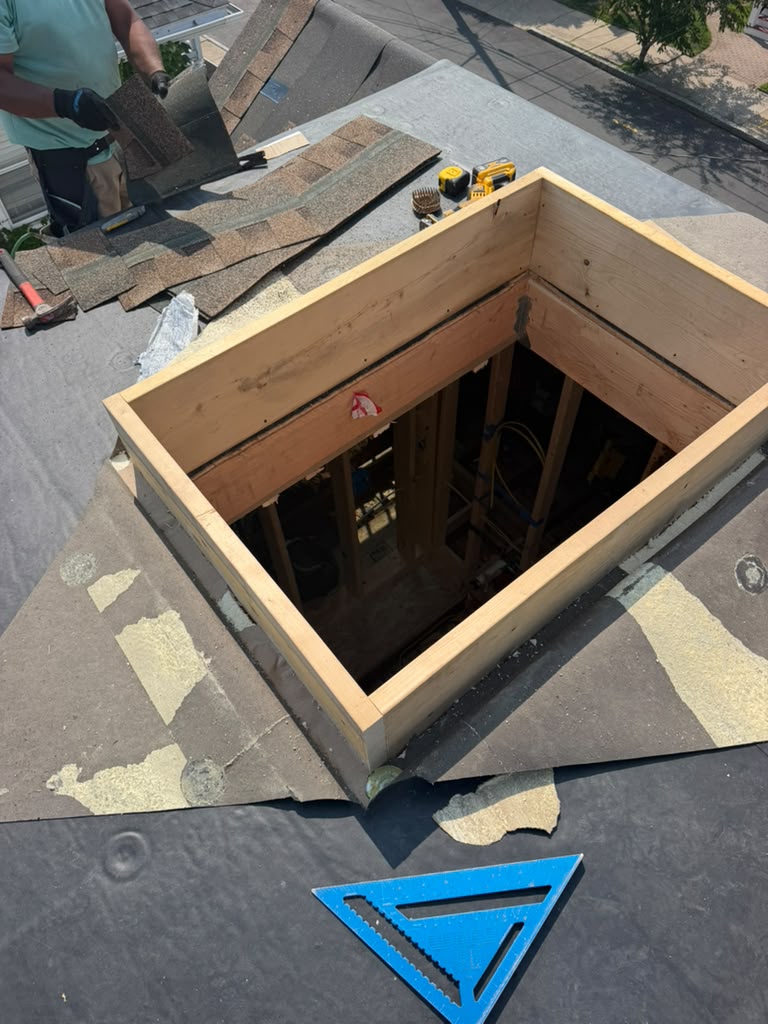
Building Permits in Massachusetts: What Homeowners Should Know Before Remodeling
You have selected the design.
The contractor is ready.
Materials are being ordered.
So construction can begin immediately—right?
Not always.
Depending on the type and scope of work, a Massachusetts remodeling or construction project may require permits and inspections before or during construction.
Permitting can feel like paperwork standing between the homeowner and the finished project.
In reality, it is part of the construction process for work that falls under applicable building requirements.
For homeowners throughout Middlesex County, Worcester County, Norfolk County, and Greater Boston, discussing permits early can help avoid surprises after the project has already started.
What Is a Building Permit?
A building permit is an authorization associated with construction work regulated by the applicable jurisdiction.
Depending on the project, different permits or approvals may apply to areas such as:
- Building
- Electrical
- Plumbing
- Gas
- Structural work
The exact requirements depend on the work being performed and the local authority having jurisdiction.
Not Every Home Improvement Project Is the Same
Repainting a bedroom is obviously very different from removing a structural wall.
Replacing decorative finishes is different from relocating plumbing.
That is why permit requirements are connected to the scope of work, not simply whether a homeowner calls the project a “renovation.”
Projects That May Require Permitting
Depending on scope and local requirements, permitting considerations can arise with projects involving:
- Structural modifications
- Additions
- New construction
- Electrical changes
- Plumbing changes
- Certain roofing work
- Major kitchen remodeling
- Major bathroom remodeling
- Changes to openings
- Significant alterations
This is not an exhaustive list.
Requirements should be confirmed for the specific property and project.
Why Local Requirements Matter
Massachusetts establishes statewide building requirements, but permitting is generally administered locally.
That means homeowners should not assume that something done on a friend’s property in another town automatically applies to their project.
Ronie Construction works throughout several Massachusetts jurisdictions, including communities across:
Middlesex County, Worcester County, Norfolk County, and Greater Boston.
Project requirements need to be considered according to the actual location.
Permit vs. Inspection
These terms are related but not identical.
A permit authorizes regulated work to proceed according to applicable requirements.
An inspection provides an opportunity for the relevant authority to review certain stages of that work.
Depending on the project, inspections may occur at different points.
Why Construction Sequence Matters
Imagine finishing a wall before work behind it that requires inspection has been reviewed.
The finished surface might need to be reopened.
That’s why permits and inspections need to be integrated into the construction schedule.
A simplified project might involve:
Permit → Demolition → Rough Construction → Required Inspection → Close Walls → Finishes → Final Inspection
The actual sequence varies according to the project.
Permits and Different Project Types
| Project | Permitting Consideration |
|---|---|
| Interior painting | Generally limited construction impact |
| Finish replacement | Depends on actual work |
| Bathroom remodel | Plumbing/electrical/building scope may matter |
| Kitchen remodel | Scope determines requirements |
| Wall removal | Structural considerations may apply |
| Addition | Typically more extensive approvals |
| New construction | Comprehensive permitting process |
| Roofing | Requirements depend on work and jurisdiction |
The table is intentionally general.
The contractor and local building authority should determine requirements for the actual project.
Why Homeowners Should Avoid the “Nobody Will Know” Approach
Skipping required permits may seem like a way to save time.
But unpermitted work can create complications later.
Potential issues can arise when:
- Selling the property
- Performing future renovations
- Inspecting previous construction
- Correcting work
- Addressing safety concerns
The appropriate approach is to determine the requirements before construction begins.
Who Pulls the Permit?
Responsibility can vary according to project type, trade, jurisdiction, and contractual arrangement.
This should be clarified before work begins.
Homeowners should ask:
- Which permits are required?
- Who will obtain them?
- Are permit fees included?
- Which inspections are expected?
- How could approvals affect the schedule?
Clear answers prevent misunderstandings.
Permits Should Be Part of Project Planning
This connects directly to Post 34.
Permitting should not be discovered after demolition starts.
During planning, the team should identify whether the proposed work could require:
- Drawings
- Documentation
- Applications
- Trade permits
- Inspections
- Additional approvals
That allows the schedule to account for the process.
Older Homes Can Add Complexity
Older Massachusetts properties may have undergone multiple renovations over decades.
When new work begins, existing construction may not always match modern plans or homeowner expectations.
This is another reason professional evaluation is important before extensive remodeling begins.
What About DIY Work?
A homeowner performing work personally is not automatically exempt from applicable building requirements.
Permit requirements relate to the type of work and applicable rules.
Homeowners considering DIY structural, plumbing, electrical, or other regulated work should confirm local requirements before beginning.
Why Professional Contractors Take Permits Seriously
Permitting isn’t simply administrative paperwork.
It is part of professional project management.
A contractor needs to coordinate:
- Scope
- Construction sequence
- Trades
- Inspections
- Materials
- Scheduling
- Finishing
Ignoring one part can disrupt everything that follows.
Local Construction Experience Matters
Construction requirements can vary according to project scope and municipality.
Working with a contractor familiar with Massachusetts construction processes can make planning more straightforward.
Ronie Construction provides remodeling, roofing, painting, and construction services throughout Middlesex County, Worcester County, Norfolk County, and the Greater Boston Area.
Projects are evaluated according to the actual work required and the property involved.
Final Thoughts
Permits should not be treated as an annoying detail to think about after construction begins.
They should be considered during planning.
Before starting a significant renovation, determine:
What work is being performed?
What approvals apply?
Who is responsible?
What inspections may be required?
How does that affect the schedule?
Getting those answers early can make the rest of the project much easier to manage.
FAQs
Do I need a permit to remodel my home in Massachusetts?
It depends on the scope of work and applicable local requirements. Structural, electrical, plumbing, and other regulated work may require permits.
Does a bathroom remodel require a permit?
It can, particularly when plumbing, electrical, structural, or other regulated work is involved. Requirements should be confirmed for the specific project.
Does a kitchen remodel require permits?
Potentially. A cosmetic update differs from a project involving electrical, plumbing, structural, or layout changes.
Who is responsible for obtaining permits?
Responsibility depends on the project, trade, jurisdiction, and agreement with the contractor. This should be established before work begins.
Can permits affect my remodeling timeline?
Yes. Applications and required inspections should be considered when planning the construction schedule.
Are permit requirements the same in every Massachusetts city or town?
Local administration and project-specific requirements can differ, so the appropriate authority should be consulted for the property’s jurisdiction.
Planning Construction or Remodeling in Massachusetts?
A successful project involves more than choosing materials and finishes.
👉 Ronie Construction can help you plan the construction process from the initial scope through professional execution.
📞 (781) 420-2049
🔗 https://ronieconstruction.com/contact/