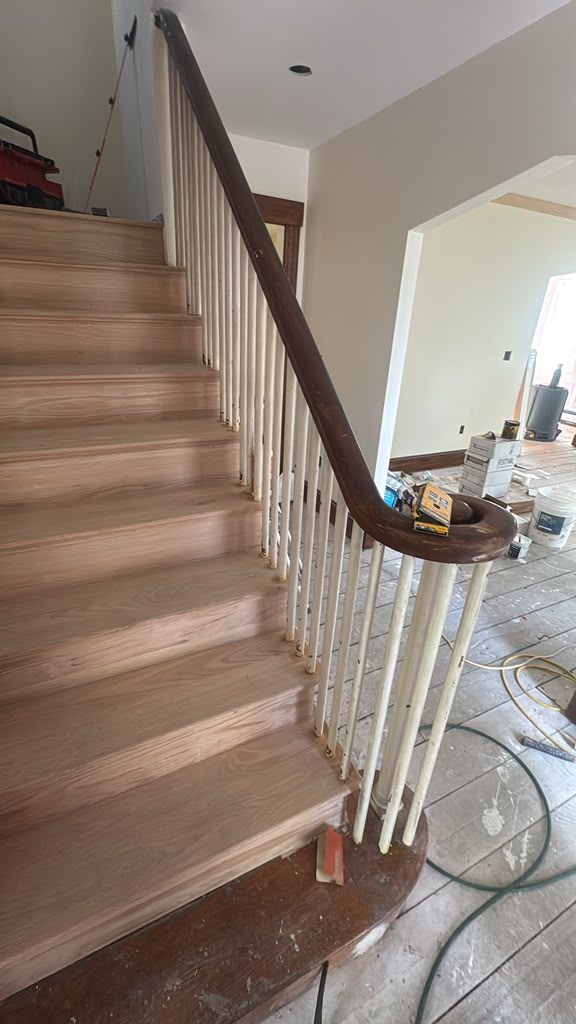
How to Plan a Whole-Home Renovation Without Going Over Budget
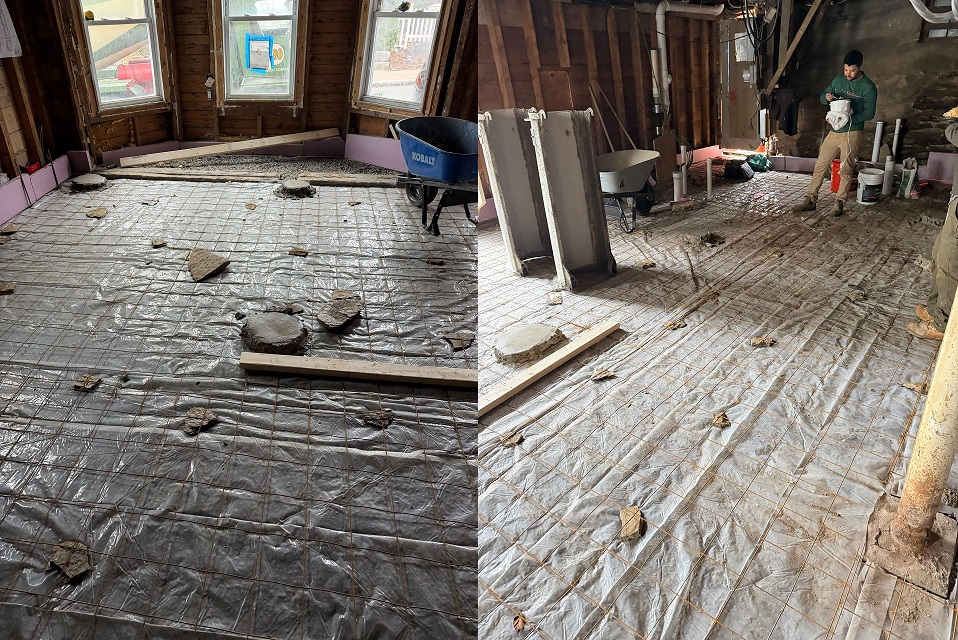
A whole-home renovation is an exciting opportunity to transform your property into a space that better fits your lifestyle, but large remodeling projects also require careful planning.
For homeowners throughout Middlesex County, Worcester County, Norfolk County, and the Greater Boston Area, renovation projects can involve multiple rooms, construction systems, materials, permits, and trades.
The key to managing a whole-home renovation is not necessarily choosing the cheapest materials or eliminating everything from the project. Instead, it is creating a realistic scope, establishing priorities, understanding where costs can change, and working with an experienced construction team.
Why Whole-Home Renovations Require More Planning
A single-room renovation may focus on one area. A whole-home renovation can involve several interconnected systems.
Depending on the property and project scope, work may include:
- Kitchen remodeling
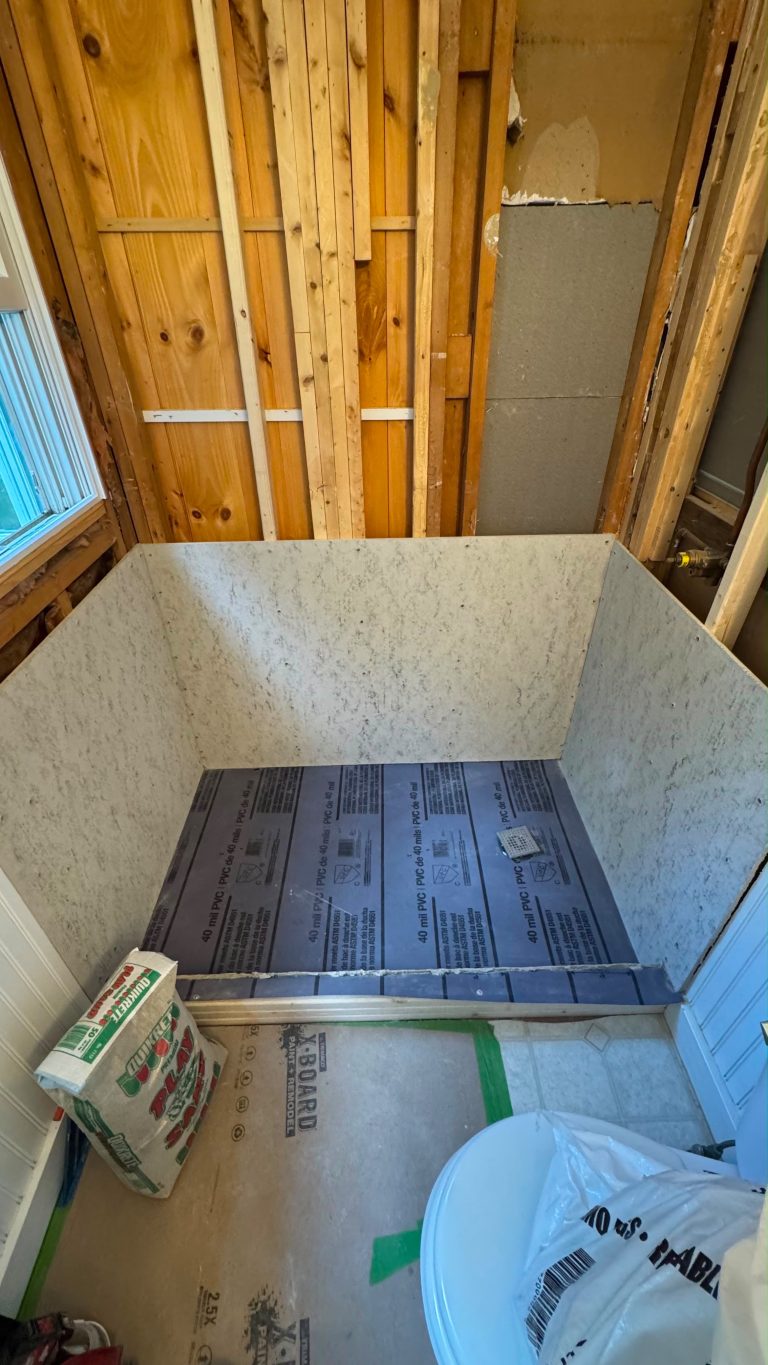
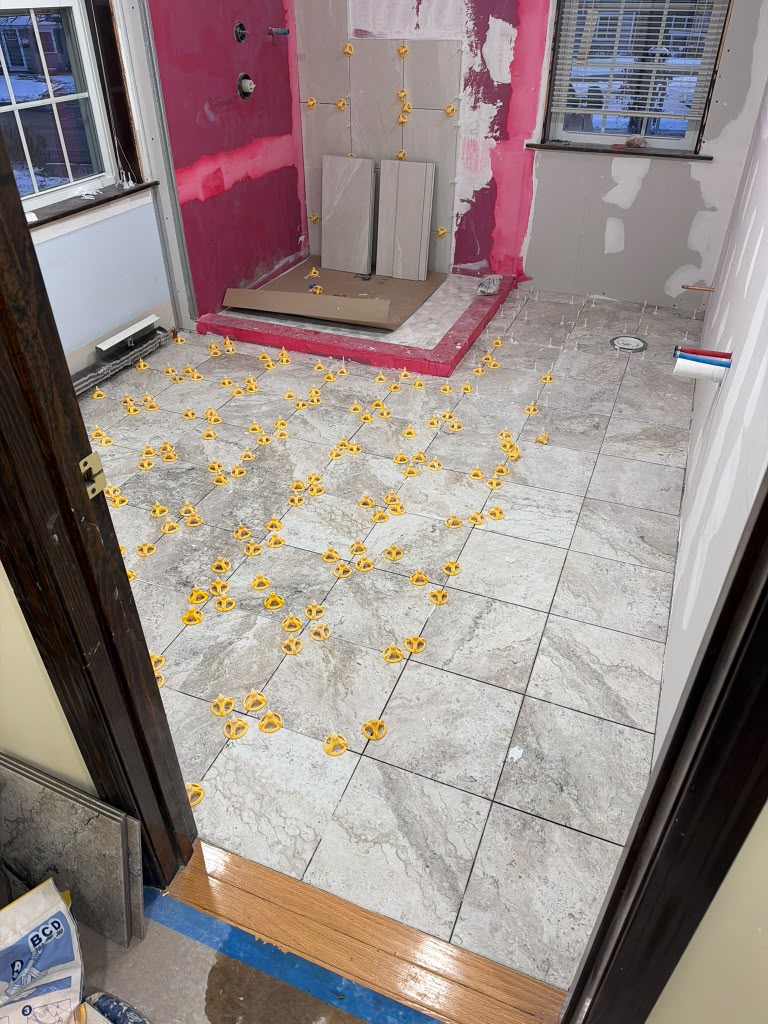
- Bathroom remodeling
- Interior painting
- Flooring
- Electrical improvements
- Plumbing
- Roofing
- Exterior improvements
- Layout changes
- Structural work
- New construction or additions
Because these components can affect one another, decisions should be made as part of an overall plan.
Start With Your Priorities
Before selecting finishes or choosing paint colors, identify what matters most.
Ask yourself:
- What problems need to be solved?
- Which spaces are most important?
- What improvements are essential?
- Which upgrades are desirable but optional?
- Are there structural or safety concerns?
Separate Needs From Wants
A simple priority system can help.
Priority | Examples | Approach |
Essential | Structural, roofing, water damage | Address first |
Functional | Kitchen layout, bathroom functionality | High priority |
Efficiency | Windows, insulation, systems | Evaluate ROI |
Cosmetic | Paint, finishes, decorative upgrades | Schedule strategically |
Optional | Luxury finishes, specialty features | Consider after essentials |
This prevents attractive design features from consuming the budget before critical work has been addressed.
Establish a Realistic Renovation Budget
A renovation budget should account for more than materials.
Consider:
- Labor
- Materials
- Demolition
- Disposal
- Permits
- Design and planning
- Structural work
- Plumbing
- Electrical
- Finishes
- Project contingencies
A professional contractor can help establish a realistic scope before construction begins.
Why Scope Creep Can Increase Costs
One of the most common reasons renovation budgets grow is changing the project after construction has started.
For example, a homeowner may begin with a kitchen renovation and then decide to:
- Remove another wall
- Replace additional flooring
- Add new lighting
- Upgrade another bathroom
- Repaint more rooms
Each individual change may seem manageable, but multiple additions can significantly affect labor, materials, and scheduling.
Create a Defined Scope Before Construction
The more clearly the project is defined before work starts, the easier it becomes to manage expectations.
Discuss:
- Rooms included
- Materials
- Fixtures
- Finishes
- Layout changes
- Timeline
- Responsibilities
- Payment structure
- Potential contingencies
Where Should You Spend More?
Not every element deserves the same budget.
In many renovation projects, it makes sense to prioritize quality in areas that are difficult or expensive to replace later.
These can include:
- Structural components
- Roofing
- Plumbing
- Electrical systems
- Waterproofing
- Cabinets
- Windows
- High-use fixtures
Cosmetic elements can often be updated later.
Renovation Budget Allocation
Every project is different, but a planning framework can help homeowners think about priorities.
Area | Budget Priority | Why |
Structural work | Very High | Safety and longevity |
Roofing | Very High | Weather protection |
Plumbing/Electrical | High | Function and safety |
Kitchen | High | Daily use and functionality |
Bathroom | High | Function and moisture |
Windows/Doors | Medium–High | Comfort and efficiency |
Painting | Medium | Appearance and protection |
Decorative upgrades | Flexible | Can be phased |
These categories are not fixed percentages or cost estimates. They are simply a way to organize decisions.
Consider Phasing the Project
A whole-home renovation does not always have to be completed simultaneously.
Depending on the property, homeowners may be able to divide work into phases.
For example:
Phase 1: Structural and exterior priorities
Phase 2: Kitchen and bathroom
Phase 3: Bedrooms and living spaces
Phase 4: Painting and finishing details
Phasing can make a large project more manageable, but it should be planned carefully because work completed later may interact with earlier construction.
Massachusetts Homes May Require Additional Planning
Massachusetts properties vary considerably in age and construction style.
Older homes can present conditions that are difficult to identify before walls or floors are opened.
Homeowners may encounter:
- Aging plumbing
- Outdated electrical systems
- Previous renovations
- Structural modifications
- Moisture damage
- Older roofing
- Deteriorated materials
That is another reason professional planning is valuable.
Why Contractor Communication Matters
Budget control is not only about numbers. It is also about communication.
Ronie Construction emphasizes transparent communication, honest pricing, reliable timelines, attention to detail, and a client-focused approach. The company serves residential and commercial clients throughout Middlesex, Worcester, and Norfolk Counties and the Greater Boston Area.
A strong contractor-client relationship allows homeowners to discuss changes, priorities, potential issues, and decisions before they become expensive surprises.
Why Experience Matters in Whole-Home Remodeling
A whole-home renovation requires more than individual trade skills.
The contractor needs to understand how different parts of the property interact and how the construction sequence affects the final result.
Ronie Construction provides remodeling alongside kitchen, bathroom, roofing, painting, and new construction services. This broader range of services can be particularly useful for homeowners planning multi-area improvements.
Final Thoughts
A successful whole-home renovation starts with planning rather than demolition.
Define your priorities, create a realistic scope, allocate your budget based on long-term value, and communicate clearly with your contractor.
The goal is not simply to spend less. It is to make better decisions with the money you have available.
FAQs
How do I budget for a whole-home renovation?
Start by defining the project scope and identifying essential structural, functional, and cosmetic improvements. Then obtain a detailed estimate from a qualified contractor.
What is the biggest renovation budgeting mistake?
Starting construction without a clearly defined scope can lead to changes, delays, and unexpected costs.
Should I renovate the whole house at once?
Not necessarily. Some projects can be phased depending on the home’s condition, goals, and construction requirements.
Should structural issues be addressed before cosmetic upgrades?
Yes. Structural, roofing, moisture, plumbing, and electrical concerns should generally take priority over cosmetic improvements.
How can a contractor help control renovation costs?
A contractor can help define scope, coordinate trades, identify potential issues, establish realistic timelines, and communicate changes throughout the project.
Start with a clear plan and a construction team that understands your goals, budget, and property.
📞 (781) 420-2049
🔗 https://ronieconstruction.com/contact/