Renovation vs. Remodeling in Massachusetts: What’s the Difference?
Renovation vs. Remodeling: Which Is Right for Your Massachusetts Home?
Homeowners frequently use the words renovation and remodeling interchangeably.
In everyday conversation, that’s understandable.
But when planning a construction project, there can be an important distinction.
A renovation generally focuses on renewing or updating an existing space, while remodeling can involve changing how the space is designed, configured, or used.
Understanding that distinction helps homeowners communicate their goals more clearly and establish a more realistic scope and budget.
What Is a Home Renovation?
A renovation typically improves an existing space without fundamentally changing its purpose or configuration.
Examples might include:
- Repainting
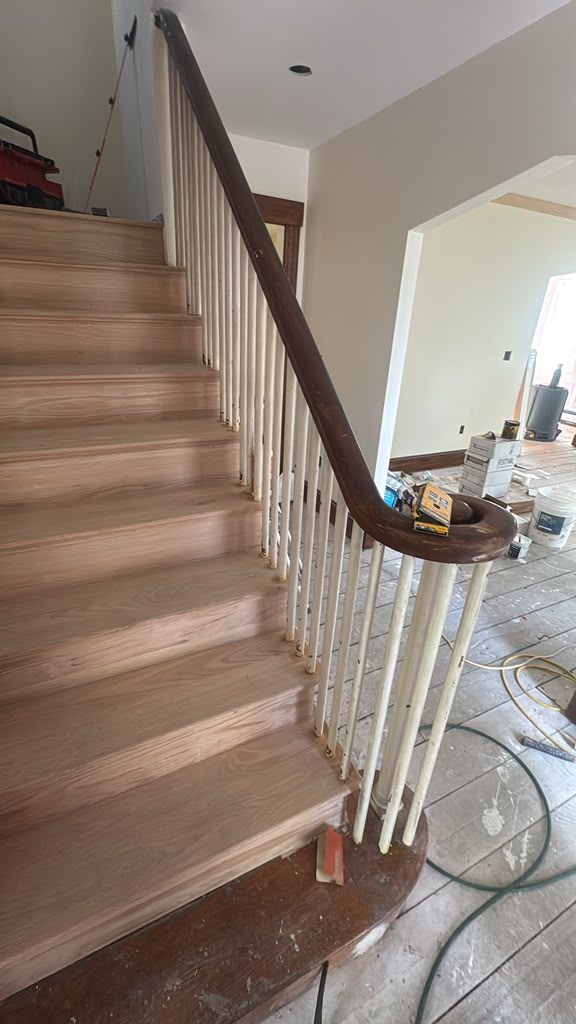
- Replacing flooring
- Updating fixtures
- Replacing cabinets in a similar layout
- Updating finishes
- Replacing doors or trim
The room remains essentially the same type of space but receives significant improvements.
What Is Remodeling?
Remodeling often involves changing the space itself.
Examples can include:
- Removing walls
- Changing a kitchen layout
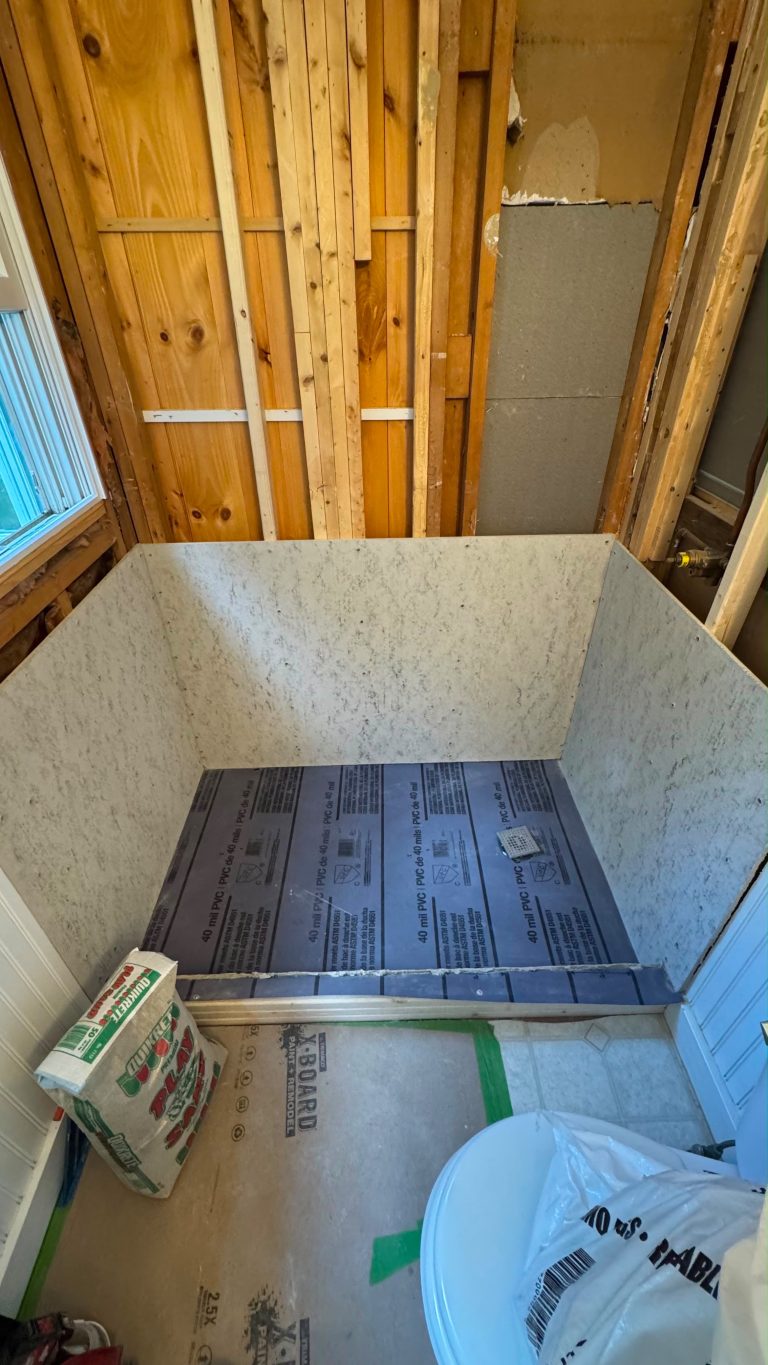
- Converting a tub to a walk-in shower
- Relocating plumbing
- Creating a new closet
- Combining rooms
- Changing door openings
- Altering how an area functions
This can involve more trades and construction coordination.
Renovation vs. Remodeling at a Glance
| Factor | Renovation | Remodeling |
|---|---|---|
| Existing layout | Often retained | Often changed |
| Room purpose | Usually remains | May change |
| Structural work | Less common | More likely |
| Plumbing relocation | Limited | More likely |
| Electrical changes | Usually targeted | Can be extensive |
| Complexity | Often lower | Often higher |
| Permits | Depends on scope | More likely depending on work |
| Budget | Often more predictable | Can involve more variables |
These are general distinctions rather than rigid rules.
Every project should be evaluated according to its actual scope.
Example: Kitchen Renovation
Imagine a kitchen where the homeowner likes the existing layout.
The project might include:
- New cabinets
- New countertops
- New backsplash
- Updated lighting
- New flooring
- Painting
That can be considered primarily a renovation.
Example: Kitchen Remodeling
Now imagine the homeowner wants to:
- Remove a wall
- Create an island
- Relocate the sink
- Move appliances
- Add lighting
- Change circulation
That is much closer to a full remodel because the room itself is being reconfigured.
The Same Principle Applies to Bathrooms
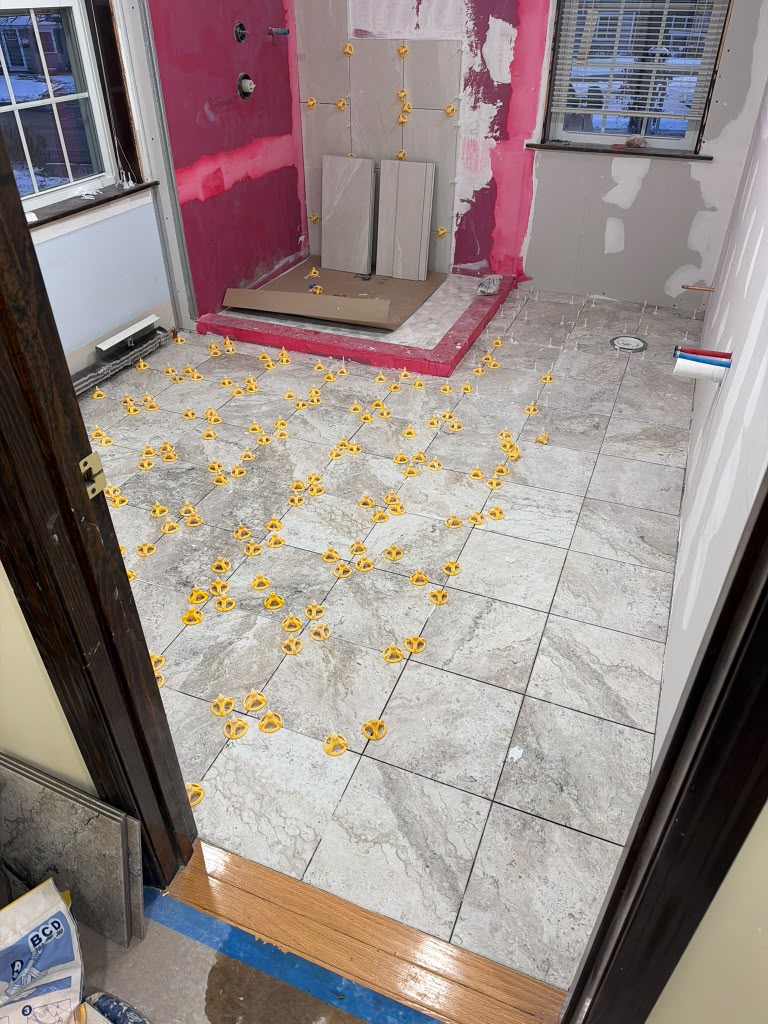
Replacing an existing vanity, fixtures, flooring, and finishes can be a renovation.
Changing the entire shower configuration, moving plumbing, enlarging the shower, and modifying walls becomes a more extensive remodeling project.
The distinction helps explain why two bathrooms of identical size can have dramatically different project costs.
Which Approach Costs More?
Remodeling frequently costs more because it can involve:
- Demolition
- Framing
- Plumbing
- Electrical work
- Structural work
- Permits
- Multiple trades
- More extensive finishing
But size and material choices also matter.
A luxury finish-only renovation can cost more than a modest remodel.
That’s why project scope—not simply the label—is what ultimately determines budget.
Which Approach Takes Longer?
Again, scope determines schedule.
Projects involving layout changes or multiple trades generally require more coordination.
A remodeling schedule might need to account for:
Demolition → Framing → Rough Trades → Inspection → Walls → Finishes → Installation
A simpler renovation may involve fewer stages.
When Renovation Makes Sense
Renovation can be an excellent choice when:
- You already like the layout
- The space functions well
- Major systems don’t need relocation
- The goal is modernization
- You want to limit construction complexity
You don’t need to change everything simply because the finishes are outdated.
When Remodeling Makes Sense
Remodeling may make more sense when:
- The layout doesn’t work
- Storage is inadequate
- Rooms feel disconnected
- Plumbing locations need to change
- Accessibility needs have changed
- Your household uses the space differently
- Structural changes would significantly improve function
Don’t Remodel Just for the Sake of Remodeling
More construction isn’t automatically better.
If a kitchen already has an efficient layout, moving plumbing and walls simply to make the project more extensive may add expense without enough practical benefit.
Professional planning should identify which changes actually improve the home.
Older Massachusetts Homes
This question is especially relevant in Greater Boston.
Older homes may have layouts designed around very different lifestyles.
Homeowners today may want:
- More open living areas
- Better kitchen circulation
- Larger bathrooms
- Improved storage
- Home offices
- Better lighting
Sometimes renovation is enough.
Other times, remodeling is required to adapt the home to modern needs.
How to Decide
Start with one question:
What problem are you trying to solve?
If the answer is:
“The room works well but looks outdated.”
Renovation may be sufficient.
If the answer is:
“The room doesn’t work for the way we live.”
A remodel may provide greater value.
Real Ronie Construction Experience
Ronie Construction works across both types of projects—from finish improvements to more extensive remodeling and construction.
That means homeowners can evaluate the project based on what the property actually needs rather than forcing every job into the same category.
Why Scope Matters More Than Labels
A professional contractor should help homeowners understand what work is actually involved.
Whether a project is called a renovation or remodel matters less than clearly defining:
- What will be removed
- What will remain
- What will move
- Which systems are affected
- Which finishes are included
- What construction is required
Ronie Construction serves homeowners throughout Middlesex County, Worcester County, Norfolk County, and the Greater Boston Area.
Final Thoughts
Don’t begin your project by asking:
“Do I need a renovation or remodel?”
Begin by asking:
“What needs to change for this home to work better for us?”
From there, the appropriate scope becomes much clearer.
Sometimes a thoughtful renovation is enough.
Sometimes a true remodel transforms how the entire home functions.
FAQs
Is renovation the same as remodeling?
The terms are often used interchangeably, but renovation generally updates an existing space while remodeling can involve changing its layout or function.
Is remodeling usually more expensive?
It can be because layout changes may involve additional demolition, framing, plumbing, electrical work, and other construction.
Can I renovate a kitchen without changing the layout?
Yes. Cabinets, countertops, flooring, lighting, paint, and finishes can often be updated while maintaining the basic configuration.
Does remodeling require permits in Massachusetts?
Certain types of construction can require permits. Requirements depend on the scope of work and local jurisdiction.
Is removing a wall renovation or remodeling?
Removing or relocating walls is generally considered remodeling because it changes the physical configuration of the space.
Can Ronie Construction handle both types of projects?
Ronie Construction provides remodeling and broader construction services throughout Middlesex, Worcester, Norfolk, and Greater Boston.
Renovate or Remodel? Start With Your Goals.
👉 Ronie Construction can help determine the right scope for your home and turn your ideas into a practical construction plan.
📞 (781) 420-2049
🔗 https://ronieconstruction.com/contact/